A good thread lift is not a magic trick, it is a measured nudge to tissue that has slipped a little lower than it used to sit. When I consult for PDO thread therapy, I treat it as a craft and a conversation. You are not buying a product, you are commissioning a tailored intervention that has to honor anatomy, aging patterns, lifestyle, and risk tolerance. The goal is simple to say and harder to execute: restore support and definition while keeping you looking like yourself.
How PDO threads fit into the modern anti aging toolkit
Polydioxanone, better known as PDO, is a biocompatible suture material surgeons have relied on for decades. In aesthetic medicine, PDO threads are placed in the skin or just beneath it to achieve two things. First, an immediate mechanical effect, from either barbs or strategically anchored vectors, that provides a subtle lift or skin tightening. Second, a biologic effect, as the body responds to the thread with controlled collagen stimulation over several months. That collagen is the long game, it improves skin quality and helps maintain the result as the PDO gradually dissolves.
PDO thread lifting treatment sits between injectables and surgery. Fillers can restore volume and soft contour depressions, neuromodulators soften dynamic lines, energy devices improve texture and tone, and a surgical facelift repositions deeper structures with durable power. PDO threads are a non surgical facelift alternative when you need modest facial lifting, skin firming, or definition without the downtime or financial commitment of the operating room. When done well, they complement other tools, not replace them.
I have seen PDO thread lifts deliver especially elegant results in the lower face: early jowling, mild marionette lines, and a softening jawline. They can refine the cheek contour, add a hint of brow elevation, and smooth crepey skin on the neck. In the midface, they can give a light apple-cheek support when filler would risk puffiness. Threads are not a cure for heavy laxity or significant platysmal banding, and they should not be sold that way.
A holistic approach starts with mapping your aging pattern
No two faces age the same way. Some people lose fat volume early and look drawn, others hold volume but develop descent and thicker folds. Skin itself might be photodamaged with fine lines and poor elasticity, or it might be sturdy but heavily mobile. Before discussing a PDO thread procedure, I map three layers: skin, fat, and ligament support.
Skin: I look for elasticity, snap back, and texture. A person with resilient skin will often show a more obvious lift from threads. Someone with thin, sun-damaged skin can still benefit, but I temper expectations and emphasize collagen-building over time.
Fat compartments: Hollowing at the temples and medial cheek shifts tension lines. If volume loss is the main driver of sagging skin, a pdo thread lift will not fully correct the issue, and we may add conservative filler or biostimulators several weeks before threads.
Ligaments and vectors: The face has fixed retaining ligaments that act as pulleys. A successful pdo thread facial treatment respects those vectors. If your tissues glide easily when I lift along the right line during a pdo thread consultation, you are likely a good candidate. If nothing moves, or it moves but snaps back instantly, we discuss alternatives.
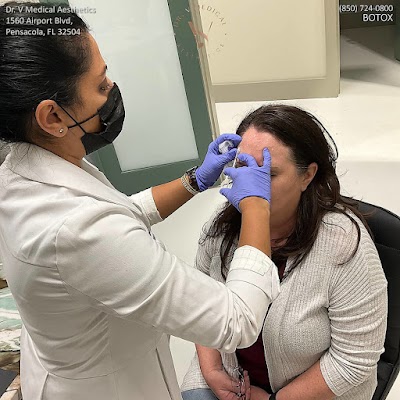
I also discuss lifestyle. Heavy exercise, dramatic weight fluctuations, and smoking all influence results and longevity. For people on blood thinners, we weigh risks. For those with autoimmune conditions or a history of keloids, we consider a test area or a different plan. A holistic approach is not only multimodal, it is honest about biology.
Types of PDO threads and where they shine
Not all PDO threads are built for the same job. Smooth threads, sometimes called mono threads, are fine strands used for collagen boost and skin texture improvement. They are laid in a mesh to encourage skin rejuvenation across an area like the neck, under the eye, or the upper lip. You will not get a big lift from smooths, but they are unmatched for subtle crepe reduction and fine lines.
Twisted or screw threads have more bulk and can give a mild volumizing effect, helpful in small hollows such as the chin crease or medial cheek subdermally. Cog or barbed threads are the workhorses for pdo threads for facial lifting. Their tiny barbs engage the tissue so you can gently reposition it and anchor it for support. The choice of length, barb design, and entry point matters more than the brand on the box.
For jawline definition, I favor long, bidirectional cogs placed along a vector that sweeps the jowl toward the preauricular anchor point. For nasolabial folds and marionette lines, I often combine light cheek support with a touch of filler later, rather than trying to pull folds flat, which can look stretched. For a subtle brow lift, shorter cogs can be placed from the hairline to elevate the tail by a few millimeters. Under the chin and neck, I reach for a mix of smooth mesh for pdo threads for skin tightening and a few cogs to support the mandibular border, especially in early double chin softening when submental fat is minimal.
The appointment flow and what to expect
A good pdo thread appointment moves at a deliberate pace. I take standardized pdo threads before and after photos from multiple angles, because memory lies and photos do not. I mark vectors while you are upright, have you speak and smile to see dynamic lines, then recline you for the procedure. We review pdo thread side effects and obtain consent. I favor local anesthesia with gentle tumescent infiltration along the paths to reduce discomfort and bruising.
The pdo threads procedure steps are consistent in principle and personalized in detail. After cleansing and sterile prep, I create a tiny pilot point with a needle, then introduce the cannula carrying the thread along the preplanned vector in the subcutaneous plane. Once in position, I withdraw the cannula and the thread stays. With cogs, I engage the barbs by light counter-tension, then I massage and adjust. The skin should look smoother and supported, not yanked. Excess thread ends are trimmed, and the small entry points are cleaned and sometimes taped for a few hours.
The procedure time ranges from 20 minutes for a small area to 60 to 90 minutes for a full lower face and neck plan. Patients typically describe the sensation as pressure and occasional tugging, more odd than painful. Most are comfortable to drive home.
Immediate results versus the long game
Right after placement, many patients see instant pdo threads results, particularly in the jawline and cheek where tissue has been lifted into a better position. That is the mechanical effect of the barbs holding. Over the next two weeks, mild swelling and the body’s adjustment can soften the look by a notch, which is expected. Around weeks 6 to 12, collagen stimulation starts to contribute, and skin firming and texture improvement become more apparent, especially where smooth threads were used.
How long does a pdo thread lift last? In my practice, the visible lift from pdo threads for sagging skin typically holds 6 to 12 months for cogs, sometimes up to 18 months in ideal candidates with good skin quality and stable weight. The skin quality gains from smooths can persist beyond thread dissolution, but they are modest and best maintained with periodic touch-ups and supportive skincare.
If your baseline laxity is mild, you may not need another treatment for a year or longer. If it is moderate, a staged plan, for example cogs for facial contouring now and a mini-refresh with fewer threads at month nine, maintains a fresher look without large swings.
Recovery and aftercare with real-world detail
PDO threads recovery time is generally short, yet a few simple rules make a big difference. Expect mild swelling and tenderness for 2 to 5 days. Bruising is variable; most patients see a few small marks that cover with makeup by day three, though if you are bruise-prone it can linger a week.
I advise no strenuous workouts, exaggerated facial movements, or heavy chewing for 5 to 7 days. Sleep on your back with your head slightly elevated for the first two nights. Avoid facial massages and dental appointments for about two weeks, as deep manipulation can dislodge fresh cogs. Gentle cleansing is fine the same day. If you feel a tiny palpable knot under the skin where a thread end sits, that usually softens over 1 to 2 weeks. Arnica can help bruising. If tenderness spikes after a quiet period, or if you see a red track line, send a photo and we revisit promptly.
Numbness patches are uncommon and usually temporary, resolving within weeks. Puckering can appear when you animate in the first few days, then smooths as tissues settle. The most useful advice I give is to let time and gravity be gentle allies for a week, and not to test the lift by pulling faces.
Safety profile, side effects, and how to avoid trouble
PDO threads are a safe treatment in trained hands, but low risk is not zero risk. The most common pdo thread side effects are bruising, swelling, soreness, and temporary asymmetry. Less commonly, a thread can become visible in thin skin, especially if placed superficially. Barbed threads can migrate if vectors are wrong or if aftercare is ignored. Infection is rare, helped by sterile technique and antiseptic prep, but it requires prompt antibiotics and sometimes thread removal if it occurs.
I screen out patients with active acne cysts or infections in the planned area, those with uncontrolled autoimmune disease, people with bleeding disorders, and those who cannot pause certain blood thinners when safe to do so in coordination with their physician. I am conservative under the eye, where skin is delicate. For smokers, I discuss that healing and collagen response are often blunted.
Vascular compromise from threads is far rarer than with filler, yet I avoid aggressive, blind tunneling in high-risk zones. Good tactile feedback, anatomical knowledge, and a light hand prevent most issues. The reward for this restraint is a smoother recovery and more natural pdo threads results.
Where threads make the most visible difference
Across hundreds of cases, certain patterns stand out. For pdo threads for jawline refinement, early jowl formation with a good mandibular angle responds beautifully. One patient in her early forties with athletic build had subtle heaviness over the jowl but excellent skin elasticity. With four cog threads per side, the jawline sharpened instantly and held over a year with minimal softening.
In the midface, pdo threads for cheeks can rebalance volume when gravity has rolled soft tissue toward the nasolabial fold. Two to three vectors supporting the lateral cheek, plus one oblique vector, provide a gentle apple cheek that looks lighter and less tired. When the fold itself is deep from fixed ligament tethering, a tiny filler touch later complements the lift.
For the neck and under chin area, a mixed approach works best. Smooth PDO in a crosshatch for skin support, occasionally combined with a few cogs along the mandibular border, tightens the envelope. If there is true submental fat, we reduce that first with deoxycholic acid or lipolysis, then return for threads once the area is flatter. Threads are not fat dissolvers, they are scaffolding for skin and soft tissue.
Brow lifts with PDO are subtle by design. They elevate the tail a few millimeters and open the lateral eye. On someone with hooding from significant skin redundancy, results are modest, and I would guide the conversation toward blepharoplasty or energy-based skin tightening first.
Combining PDO thread therapy with other treatments
Threads thrive in combination. For someone seeking pdo threads for skin rejuvenation and facial definition, I often pair the procedure with:
- Neuromodulators two weeks before or after to quiet overactive depressor muscles that fight the lift, particularly the platysma bands and DAO, improving longevity. " width="560" height="315" style="border: none;" allowfullscreen="" > Light biostimulators or dilute filler several weeks before to prime areas of significant volume loss, so the threads are not overburdened. Energy-based devices, such as RF microneedling or ultrasound, sequenced at least 4 to 6 weeks apart, to improve dermal thickness and elasticity without disturbing fresh threads. Strategic skincare: retinoids, vitamin C, peptides, and sunscreen daily. The collagen you build deserves protection.
This is the heart of a holistic pdo threads aesthetic treatment. Threads provide shape and support, injectables refine, energy devices condition the canvas, and skincare maintains.
Cost, value, and what drives pricing differences
PDO threads treatment cost varies widely by region, practitioner skill, and the number and type of threads used. In most metropolitan practices, a lower face and jawline pdo thread facelift ranges from roughly 1,200 to 3,500 USD, sometimes higher if multiple zones are involved or if premium barbed threads are used in greater numbers. A small area, such as a brow lift or pdo thread under chin support, might sit between 600 and 1,200 USD.
Be skeptical of unusually low pricing. Quality threads, sterile technique, time for a careful pdo thread consultation, and the artistry to place them correctly are not inexpensive. You are paying for judgment as much as the device. If budget is a concern, I prefer to scale the plan honestly, prioritizing the zones where pdo threads for face tightening will deliver the biggest visible benefit, rather than diluting the impact across too many areas.
What a thorough consultation should cover
An effective pdo thread appointment starts long before you lie down. You should leave the consult with a clear map of your facial goals, the vectors to be used, the number and type of threads planned, and realistic ranges for the result. Ask to see pdo threads before and after photos that match your age and anatomy. Discuss medications and supplements that increase bruising, such as aspirin, high-dose omega-3s, and certain herbs. Align on downtime Website link constraints. Review pdo threads benefits and the specific risks that apply to your case.
If you have a big event, schedule at least three weeks before for cogs and two weeks for smooths, in case bruising lingers. If you are prone to cold sores and we plan to work around the lips, prophylaxis helps. If you grind your teeth heavily, we might treat masseters first, as overactive chewing can work against a fresh lift.
Managing expectations: what threads can and cannot do
PDO threads for wrinkles can soften etched lines indirectly by improving support and skin quality, but they do not erase static lines like an ablative laser. They lift by a few millimeters, not centimeters. They improve the contour and boundary of the jawline, they do not remove significant fat or tighten loose platysmal bands like surgery. For very thin skin, pdo threads for under eye area need caution due to visibility risk, and smooth micro-threads placed deeply with conservative numbers are the strategy, not barbs.
This is where before-and-after honesty matters. When patients hope for a decade of reversal or a surgical outcome from a non surgical skin lift, disappointment follows. When they seek a fresher outline, better shadows, and more support when they smile, threads deliver.
Technique details that change outcomes
A few technical choices separate a good from a great pdo thread lifting procedure. Entry point placement affects vector control and scar visibility. I favor hairline or preauricular points that hide well. The depth of placement must be subdermal enough for cog purchase but not so deep that the thread floats in fat without grip. Crossing vectors should be limited and thought through, to avoid cheese-wiring or bunching.
Tension needs restraint. Overpulling creates pleats and an artificial look that relaxes unpredictably. I engage enough tension to overcome ligament laxity, then smooth. Anchoring to stable tissue, whether through bidirectional barbs that lock or by securing near firm fascia, prevents early slippage. When treating the neck, I respect the marginal mandibular nerve course and stay safe in the plane. When working near the nasolabial area, I glide, I do not poke, to avoid intradermal ridging.
Special cases and edge conditions
Post-weight-loss faces carry different challenges. When someone has lost 30 to 50 pounds, soft tissue laxity often exceeds what a pdo threads cosmetic procedure can reliably lift, and the skin may be thin from deflation. Here, I pivot to a multimodal plan: fractional RF to thicken, staged biostimulators, then conservative threads to define the jawline. For patients in their twenties or early thirties seeking pdo threads for beauty enhancement or a sharper jaw in photos, I check for motivation and expectations. Sometimes a small amount of chin filler and masseter slimming does more for facial definition than early threads.
For men, the heavier dermis and beard area can be an advantage for hiding entry points. The aesthetic goal often emphasizes a strong, straight mandibular line more than upward cheek lift, so vectors and thread types adjust accordingly.
In patients with melasma or reactive pigmentation, I avoid aggressive trauma and consider pre- and post-care with pigment-stabilizing skincare to reduce risk of post-inflammatory changes around entry sites.
Maintenance and how to think about the second year
A thread plan is not one-and-done for life. As PDO dissolves over 6 to 9 months, collagen remains but relaxes gradually. I usually suggest a light refresh at 9 to 15 months, not a full reinstall, targeting the few vectors that have softened. Between treatments, focus on skin health: daily sunscreen, active topicals, and perhaps a quarterly microneedling or gentle RF session to keep the dermal matrix engaged.
Pay attention to weight stability and sleep position. If you habitually side-sleep with a deep pillow crease on the same cheek, you will outpace your threads on that side. Small habits show up on faces over time, and this is part of a holistic strategy as much as any device.
Frequently asked practical questions, answered plainly
Can you feel the threads? In the first week, yes, especially when you chew or apply skincare near the entry points. That awareness fades as tissues settle. Rarely, a thread end may be palpable longer; if it bothers you, a quick office trim through the entry dimple solves it.
Will people notice? Usually they do not notice a procedure, they notice that you look rested. If you walk out with visible puckering, it is because we chose a strong vector and fresh engagement. That settles in a few days.
What if I do not like the result? Threads are not as easily reversible as hyaluronic fillers, but they can be adjusted early, and in rare cases removed through the entry point with a small hook. The safest path is to place fewer threads initially and build, rather than to chase an aggressive lift in one session.
What about pdo threads for smile lines, nasolabial folds, and marionette lines? Treat the support, not just the line. Threads that elevate the midface and jawline soften the fold’s appearance. Direct thread placement into a fold is not my first choice, though smooths alongside can improve dermal quality.
How long should I wait after other procedures? After filler in the same zone, I wait two to four weeks before threads, and after threads I wait two to three weeks before placing filler nearby. For energy devices over thread zones, a 4 to 6 week gap is comfortable, with depth and energy settings adjusted to avoid overheating fresh PDO.
The intangible skill: choosing what not to do
An experienced injector learns restraint. There are faces where pdo threads non surgical treatment is the wrong hero. Advanced jowls with heavy skin excess, thick platysmal bands, and deep neck fat are better served by a surgical plan. Marked asymmetry from skeletal differences will not be corrected by soft tissue pulls. Thin, papery skin with crosshatch wrinkles might love smooth threads and biostimulators but will not tolerate barbs without visibility. A good clinician says so and steers you toward the honest solution, even if it is less glamorous to sell.
The bottom line for patients considering PDO threads
Think of a pdo thread facial lift treatment as a structural tune-up. It will not remodel the whole house, but it can realign the frame so the lines are cleaner and the light hits better. It is best when integrated into a plan that addresses skin health, volume balance, and muscle dynamics. It suits people with mild to moderate laxity who want a natural lift, faster recovery, and the option to maintain with small, periodic adjustments.
If you are vetting providers, ask precise questions. How many pdo threads for facial contouring do they typically use per side for your anatomy? Which vectors and why? What is their plan if you bruise or if one side settles faster? Can they show you pdo threads results from patients with similar skin and age? Do they perform the procedure themselves or delegate, and what is their complication protocol? Those answers matter more than a brand name or a flashy ad.
Done thoughtfully, pdo threads cosmetic rejuvenation can help you look like you, only better supported. The lift feels humble in the chair, a few millimeters here and there. In a photo three months later, it reads as a quieter jawline, a cheek that catches light again, a neck that looks less slack in profile. The change is cumulative and convincing, which is exactly what you want from a non invasive facelift alternative that respects your features and your life.