Skin rarely ages all at once. It loosens first at the jawline, hints at fatigue under the eyes, then softens across the cheeks and neck. For many patients, there is a long window where a surgical facelift feels too aggressive, yet creams and injectables alone cannot keep up with gravity. PDO thread lifting fits this in-between stage. It is a minimally invasive lift that tightens, shapes, and signals the skin to rebuild its own collagen, using fine dissolvable sutures placed under the surface.
I have used PDO threads for everything from early jowls in a 40 year old to softening marionette lines in a 60 year old who wants a lighter touch before considering surgery. When chosen for the right face and placed with intention, they produce a truer contour than most non surgical options, and they do it quickly.
What PDO threads are, and what they are not
PDO, or polydioxanone, is a biocompatible suture material used in surgery for decades. When used as an aesthetic thread lift, the threads are introduced through a needle or cannula into the subdermal plane. Some threads are smooth to focus on collagen stimulation, while others carry tiny barbs or cogs that catch the tissue and hold it in a more lifted position. Over 6 to 9 months, the material gradually dissolves. The collagen your body builds around the threads lingers longer, often keeping benefits for 12 to 18 months.
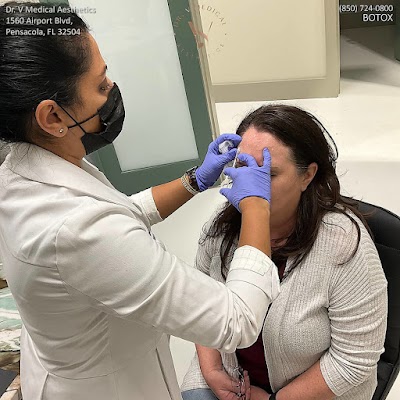
A PDO thread lift is not a replacement for a surgical facelift. You will not see a dramatic repositioning of heavy, descended tissue. Think of it as a modest lift, often measured in millimeters rather than centimeters, paired with a visible improvement in skin firmness and facial definition. For mild to moderate laxity, this can be exactly what you need.
Where a PDO thread lift helps most
In practice, I reach for PDO threads when I want a mechanical lift with biological follow through. Classic areas include the jawline, cheeks, and neck, where skin tightening and improved facial definition often transform a tired profile. PDO threads for sagging skin along the jowls can sharpen the mandibular line and soften marionette lines. PDO threads for nasolabial folds provide indirect support by lifting the midface rather than overfilling the fold itself. PDO threads for cheeks can restore gentle midface height, which in turn improves smile lines. On the neck, a careful pattern of vectors tightens crepey skin and improves vertical banding when combined with neuromodulators.
Some delicate regions call for lighter techniques. PDO threads under eyes can improve crepe texture and mild hollowness when smooth mono threads are placed superficially. PDO threads for forehead or a subtle eyebrow lift can elevate the tail of the brow by a few millimeters. PDO thread nose lifts and lip lifts remain off label and must be approached with caution; while possible, risk and anatomic variation make patient selection critical.
How a PDO threading treatment works, step by step
A proper consultation sets expectations. I examine the patient at rest and in motion, note the vector of descent, and feel the thickness and glide of the tissue. I take standardized photos in five views. Then I map vectors with a skin marker: one or two lines from the jawline angled toward the ear for a jowl lift, another from the corner of the mouth toward the lateral cheek for marionette support, often a cheek vector toward the zygoma to lift the midface. For the neck, shorter crisscrossed lines address horizontal laxity.
The skin is cleansed with chlorhexidine or povidone iodine. Local anesthesia with lidocaine, often with epinephrine for comfort and hemostasis, is used at entry and exit sites, sometimes along the planned tunnels. Most barbed thread lifts use an 18 or 19 gauge cannula. With a steady hand, I glide the cannula through the subdermal plane, feel a slight resistance as the cogs engage, and withdraw to deploy the thread. I place two to four lifting threads per side for the lower face in many cases, then add smooth threads as needed for fine collagen support around the cheeks or neck.
After both sides are placed, I gently massage along the vector to seat the barbs, trim the ends, and place a small steri strip if needed. The entire PDO thread lift procedure usually takes 30 to 60 minutes.
Types of PDO threads, and how they behave in real faces
Think of threads in families. Smooth mono threads are fine filaments, good for PDO threads skin rejuvenation and subtle firming. They trigger collagen without much mechanical lift, useful under eyes, in the neck, and for fine lines.

Screw or twisted threads are coiled for more volume and stimulation than monos, helpful for softening shallow hollows, but they are still not a replacement for filler.
Barbed or cog threads are the workhorses for a non surgical facelift effect. They catch tissue so the practitioner can reposition it a few millimeters, then hold it there while collagen builds. Molded cogs, which have barbs formed as part of the thread rather than cut into it, tend to grip more strongly and may maintain lift longer.
Material matters as well. PDO dissolves faster than PLLA or PCL threads used by some brands. With PDO threads, expect absorption over several months with a collagen boost that continues to mature through month three to six.
Who makes a good candidate
I often tell patients there is a sweet spot for PDO thread lift results: mild to moderate laxity, a reasonably healthy skin envelope, and realistic expectations. People with very heavy tissue, very thick or very thin skin, or advanced platysmal banding will see limited lift. Smokers and those with poor wound healing risk more bruising and slower collagen response.
A quick pre treatment checklist helps frame the decision:
- You want a visible but natural lift without surgery, and you accept that results are measured in millimeters. Your laxity is mild to moderate, with early jowls or midface descent, not severe skin excess. You can pause intense workouts and exaggerated facial movements for a week, and sleep on your back for a few nights. You are not pregnant or breastfeeding, and you have no active skin infection or uncontrolled autoimmune disease. You can accept temporary puckering, swelling, or asymmetry as the tissues settle in the first days.
What results look like: immediate and long term
Immediately after a PDO thread face lift, you see two things. First, a mechanical change in vector, which sharpens the jawline and lifts the corner of the mouth or cheek. Second, some swelling and occasional dimpling along the path of the threads. Early dimples usually smooth over 3 to 10 days as the barbs integrate. The visible lift often relaxes slightly in the first two weeks, then collagen remodeling begins to hold the new shape more convincingly by week three or four. Most patients describe the sweet spot between one and six months.
PDO thread lift before and after photos tell the story best. In my practice, we shoot baseline, two weeks, six weeks, and three months. A common transformation is a crisper mandibular line, a less tired nasolabial area, softened marionette shadows, and a more youthful ogee curve in the midface. PDO threads for jawline contouring, done well, can reduce the visual heaviness around the jowls without adding bulk to the lower face.
Longevity varies. Many see benefits for 12 to 18 months. If your metabolism is fast, or if your laxity is borderline for threads, expect closer to a year. Maintenance every 12 to 15 months often preserves a steady, age appropriate result.
Recovery, aftercare, and return to routine
Recovery after a PDO thread lift is measured in days, not weeks. Most patients return to desk work the next day. Bruising, if it appears, peaks at 48 hours. Tenderness to chewing or smiling can last several days. I advise sleeping on the back for three nights and avoiding any face down massage for two weeks.
A focused aftercare plan smooths the course:
- Keep the area clean, avoid makeup for 24 hours, and use gentle cleansers, not scrubs. Limit big facial movements, heavy chewing, and wide yawns for five to seven days. Skip saunas, hot yoga, and strenuous exercise for 48 to 72 hours to minimize swelling. Use cold compresses in the first day, then switch to warm compresses if small lumps persist after day three. Call your provider promptly if you notice spreading redness, fever, or a visible thread end at the skin.
Risks, side effects, and how we avoid them
Every aesthetic treatment carries risk. With PDO threads, the most common side effects are minor and temporary: swelling, bruising, soreness, skin dimpling, and a pulling sensation along the thread path. Small asymmetries can occur in the first few weeks as tissues settle, and are usually managed with massage or a minor adjustment.
Less common complications include thread migration or extrusion, puckering that does not relax, and superficial irregularities if threads are placed too close to the skin. Infection is rare with sterile technique, but must be treated quickly if suspected. Nerve injury is very uncommon in experienced hands, as the plane of placement is superficial to the major motor branches in most planned vectors, but anatomical care is non negotiable.
I avoid trouble by using blunt cannulas for lifting threads, accurate depth, and limited passes. For PDO threads under eyes, I limit to smooth mono threads placed superficially, because barbed threads can tether delicate skin. For nose lifts, which are off label and higher risk anatomically, I counsel many patients toward alternative strategies like fillers in safe planes or surgical consultation.
If a thread edge becomes visible or palpable and does not improve, it can often be trimmed under local anesthesia. If dimpling persists beyond two weeks, gentle release with a small cannula often corrects it. These are small repairs, but they reinforce the point that PDO threads are technique sensitive.
Cost and value: what affects the price
Pricing for a PDO thread lift depends on geography, the number and type of threads used, and the expertise of your provider. A limited lift with four to six barbed threads may range from 900 to 2,000 USD in many markets. A full lower face and neck treatment, adding vectors and smooth threads, can reach 2,500 to 4,500 USD or more. When evaluating price, ask how many threads are included, what type they are, and whether follow up adjustments are part of the plan.
Threads are not competing with moisturizer. They sit beside neuromodulators, fillers, energy based skin tightening, and, at the far end, surgery. For the right patient, the value lies in an immediate lift plus a collagen dividend, with modest downtime and no general anesthesia.
Area by area: tailoring the lift
Jawline and jowls: PDO threads for lift of jowls are among the most satisfying uses. Two to three vectors per side, placed from the jowl toward the ear, can reduce the bulge and define the angle of the mandible. A light hand prevents over correction, which can look tight rather than youthful.
Cheeks and midface: PDO threads for cheeks serve two goals, restoring a soft arc and indirectly reducing nasolabial folds. Vectors that terminate over the pdo threads near Orlando, FL zygomatic arch can re support the midface without filler. For volume loss, a hybrid plan with a small amount of filler deep on bone often looks most natural.

Nasolabial folds and marionette lines: A PDO thread facelift does not directly erase folds. It lifts and deweights them. I use PDO threads for smile lines as part of a midface plan, then polish with subtle filler if needed. For marionette lines, a vector from the jawline toward the lateral cheek helps, sometimes paired with a short vertical vector to lift the oral commissure.
Under the chin and double chin: PDO threads under chin can tighten mild laxity, especially when submental fat is minimal. If fullness is the main issue, deoxycholic acid or liposuction first achieves a cleaner contour, then threads improve skin tone.
Neck: PDO threads for neck tightening work best with fine, smooth threads in a mesh pattern for collagen stimulation, plus selective barbed threads to elevate mild sag. Significant banding or skin excess often needs neuromodulators, energy devices, or surgery for a meaningful change.
Under eyes: PDO threads under eyes should be conservative. Smooth monos can improve crepe texture and mild fine lines. For true hollowness, filler in safe planes often outperforms threads.
Forehead and brows: A small PDO thread eyebrow lift, placed along the tail of the brow, can open the eye by a few millimeters. It suits patients who notice lateral hooding but are not ready for a surgical brow lift.
Lips and nose: A PDO threads lip lift is typically subtle, more of a border definition or Cupid’s bow refinement than a true lift. A PDO threads nose lift remains a niche technique with higher stakes. Careful risk discussion is essential.
Combining PDO threads with other treatments
Threads are not a solo sport. They pair well with neuromodulators, which reduce downward pull from depressor muscles and extend the lift. They sit comfortably beside light filler in the midface or chin when volume loss is present. Energy based devices, such as radiofrequency microneedling or ultrasound, can further tighten the dermis, either performed weeks before threads to thicken the canvas, or months after to maintain gains. A PDO thread treatment plan over a year often rotates these tools to address structure, tone, and texture in sequence.
What a typical recovery looks like, day by day
Patients appreciate specifics. Expect the day of treatment to feel numb and tight. Day one brings mild swelling and potentially a small bruise at the entry site. Day two is often the most puffy. By day three or four, you notice a gentle lift with less swelling, and any small dimples usually relax as the threads seat. By the end of week one, tenderness fades, and chewing returns to normal. Makeup can camouflage any residual discoloration after 24 hours, provided the skin is clean and intact.
I ask patients to avoid dental appointments for two weeks to prevent exaggerated mouth opening, to skip face down massages, and to protect the face during sleep. These small choices protect the thread engagement while collagen does the heavy lifting behind the scenes.
Technique notes from the chair
Three small details change outcomes more than people expect. First, vector planning. You are not pulling skin tight, you are re suspending it along the natural tension lines of the face. Second, depth control. Too superficial and you see ripples, too deep and you miss the fibrous septa that hold lift. Third, symmetry by feel, not just by ruler. Faces are asymmetric, and correcting to the millimeter on one side may look wrong if the other side needs a slightly different plan. These are the nuances that make a PDO thread lift feel like art supported by physics.
Safety, medications, and timing
A few practical notes. Blood thinners increase bruising risk. If medically appropriate and cleared by the prescribing physician, stopping aspirin or other anticoagulants prior to treatment can help, but only with medical guidance. Supplements like fish oil, high dose vitamin E, and ginkgo can also increase bruising. Active acne, dermatitis, or a cold sore outbreak in the treatment zone will delay the procedure. People with severe autoimmune conditions, uncontrolled diabetes, or a history of keloids require special caution or may be advised against threads.
If you are planning a major event, schedule your PDO thread lift at least four weeks ahead. Most look presentable within days, but the most photogenic phase usually arrives around week three to six.
How to choose a provider when you are searching near you
Typing pdo thread lift near me into a search bar will return a mix of clinics. Experience matters more than advertising. Review before and after photos that match your age and anatomy. Ask how many PDO thread treatments the provider performs each month, what types of threads they favor, and how they manage complications. During consultation, notice whether the plan addresses your unique vectors and skin thickness, not just a one size fits all map. A thoughtful discussion of PDO thread lift risks, as well as benefits, is a green flag.
Myths and realities
One myth is that threads replace surgery. They do not. They delay it for the right candidate, or they maintain gains after a prior lift. Another myth is that threads always look tight or unnatural. In skilled hands, the goal is a softer jaw shadow, a rested cheek, and better facial definition, not a tugged face. Some people expect zero downtime. Realistically, you should plan for a few days of visible swelling. And yes, PDO threads are absorbable threads. The collagen they leave behind is your own, which is part of the appeal.
Maintenance and when to repeat
I like to review at two weeks to check settling, then again at three months to judge collagen response. If a patient metabolizes PDO quickly or has challenging skin, we may add a few smooth threads at the three month mark. Most repeat a lifting session at 12 to 18 months. In between, quarterly skin health work, such as light peels or energy based tightening, keeps the canvas strong so the next lift has a better foundation.
When threads are not the best choice
If you can pinch a large amount of loose skin at the jawline, or if your neck shows significant banding and redundancy, a PDO thread face lift will underwhelm. If your primary issue is volume loss in the midface, a filler based plan can look more natural than trying to lift emptiness. If you hope to erase deep nasolabial folds without touching the midface, threads alone will disappoint. These judgment calls protect you from chasing the wrong solution.
The bottom line for youth restoration
PDO threading treatment sits in a useful niche of modern aesthetic treatment. It bridges anti wrinkle treatment and facial sculpting, offering a minimally invasive lift that also drives collagen. For the face that is just starting to sag, for the jawline that lost its crisp edge, for the neck that needs a nudge, PDO threads can be the right tool.
Success depends on candidacy, planning, and technique. Expect a short procedure, a few days of downtime, and a result that looks like you on a good day. The best compliment I hear after a PDO threads cosmetic lift is simple: friends say you look rested, but they cannot place why. That is the art of an absorbable lift done with restraint and skill.